
 English
 Views: 0 Author: Site Editor Publish Time: 2026-02-09 Origin: Site


A plate brush is a highly specialized tool designed for various industrial applications, including cleaning, polishing, surface preparation, and sealing. These brushes consist of a flat base (often referred to as the "plate") onto which bristles are securely attached. The bristles are positioned in a way that maximizes their cleaning or guiding capabilities, depending on the specific industrial need. Plate brushes are typically used in environments where large surfaces need to be cleaned, smoothed, or prepared for further processing. The durable nature of plate brushes ensures they can withstand harsh working conditions, making them an essential tool in industries that require high-performance cleaning, sealing, and material handling.
These brushes are versatile, and they come in various sizes and configurations to cater to the specific needs of industries such as manufacturing, automotive, and metalworking. They can also be customized to meet specific requirements, whether for cleaning, deburring, guiding materials, or preventing contamination in sensitive areas of machinery.
Plate brushes are made up of two primary components: the backing material and the bristles. Each component is selected for its specific role in ensuring the brush’s performance and durability.
Component | Description |
Backing Material | The base of the brush, typically made from metal or plastic, provides stability and support for the bristles. |
Bristles | Tufted, crimped, or flat bristles made from materials such as nylon, steel, or polyester, depending on the task. |
Backing Material: The backing material of a plate brush is typically made from durable metals such as steel or aluminum for heavy-duty applications, or high-strength plastics for lighter tasks. The material chosen for the backing provides the necessary structural support to hold the bristles in place while also ensuring that the brush can endure constant use without warping or bending. The base material is crucial in determining the lifespan and functionality of the brush, especially in environments where the brush is exposed to harsh chemicals or extreme temperatures.
Bristles: The bristles of plate brushes are generally made from various materials such as steel, nylon, polyester, or brass. These materials are selected based on the specific cleaning, polishing, or sealing tasks the brush will perform. For example, steel bristles are ideal for aggressive cleaning and deburring, while nylon bristles are better suited for delicate surface preparation or polishing tasks. The bristle design can vary from crimped (to create a bushier, more flexible brush) to straight or flat, allowing for different levels of stiffness and bristle distribution.
Plate brushes are built using different techniques, each offering specific benefits depending on the application. The primary methods used for constructing plate brushes include staple setting, wire drawing, and epoxy setting.
Staple Set: In this construction method, the bristles are inserted into pre-drilled holes on the backing plate. Afterward, they are securely fastened using metal staples. This method is commonly used for brushes that need to be produced in large quantities and is cost-effective for medium-duty applications. The staple-set construction allows for flexibility in bristle density and distribution.
Wire Drawn: In the wire-drawn method, the bristles are placed in loops that are inserted into the backing. The loops are then secured using metal wire, providing added durability. This method is typically used for heavy-duty applications, especially when a more rigid brush with higher resistance to abrasion is required.
Epoxy Set: In this method, the bristles are inserted into the backing and glued in place with a strong epoxy resin. This technique ensures that the bristles stay securely fastened under intense conditions, making epoxy-set brushes ideal for environments where chemicals or extreme temperatures might be present. Epoxy setting is a durable solution that can withstand harsh conditions while maintaining the integrity of the bristles.
Plate brushes are designed to serve multiple functions depending on the specific needs of the industry or task. The most common functions include cleaning, surface preparation, deburring, and sealing, all of which help improve the efficiency of manufacturing processes and ensure product quality.
Plate brushes are especially effective at cleaning surfaces in industrial environments. Their bristles are able to dislodge dust, dirt, and debris that accumulate on machinery, products, or production lines, ensuring that surfaces are clean and free from contaminants before undergoing further processing.
Debris Removal: Plate brushes excel at clearing debris from surfaces, whether it is dirt from a conveyor belt or dust from a machine part. The bristles effectively lift and remove debris, preventing it from contaminating other parts of the production process.
Surface Polishing: Plate brushes can also be used for light polishing tasks. They smooth out surfaces by removing small imperfections or burrs that could affect the quality of the finished product. This is especially beneficial for industries where surface quality is critical, such as metalworking or glass manufacturing.
Surface Abrasion: For tasks that require a more abrasive cleaning process, plate brushes can be equipped with tougher bristles, such as steel, to remove stubborn dirt, rust, or coatings from materials. This helps in preparing surfaces for coating, painting, or welding.
Another important function of plate brushes is to act as a seal or guide in industrial applications. Plate brushes are often used in machinery to prevent contamination from entering sensitive areas or to guide materials along a production line.
Sealing Gaps: Plate brushes are used to seal small gaps or spaces between components of machinery or equipment. This prevents dust, dirt, and other contaminants from entering critical parts of the machinery, ensuring smooth and efficient operation.
Guiding Materials: Plate brushes can also be used to guide products or materials along a conveyor or assembly line. The bristles help keep materials in place and ensure they move in a controlled and precise manner. This is especially helpful in high-speed production environments, where precise material handling is crucial.
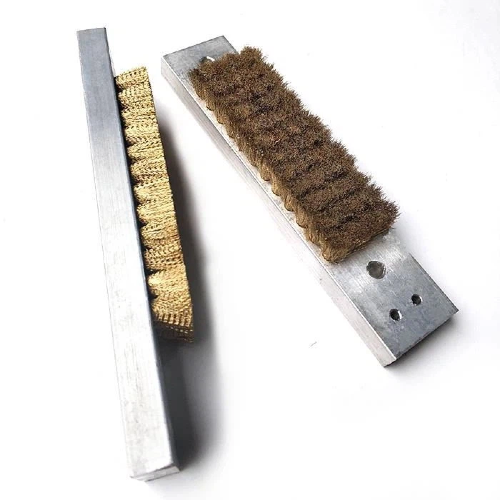
Plate brushes find widespread use across several industries due to their versatility and efficiency in a range of tasks, such as cleaning, deburring, polishing, and guiding. They are commonly used in the following industries:
Industry | Application |
Manufacturing | Used for cleaning and surface preparation in production lines. |
Automotive | Sealing gaps in assembly lines and guiding materials along conveyor systems. |
Glass | Cleaning and polishing glass surfaces in manufacturing environments. |
Metal Processing | Deburring and surface smoothing of metals to improve product quality. |
Food Processing | Preventing contamination by guiding materials and ensuring cleanliness on production lines. |
Plate brushes are ideal for surface treatment tasks such as deburring, polishing, and cleaning. Their bristles are designed to be both effective and gentle, ensuring that surfaces are properly prepared without causing any damage.
Deburring: The primary function of plate brushes in metal processing is to remove sharp edges or burrs that are created during the manufacturing process. By using a plate brush, manufacturers can ensure that their products meet quality standards and are safe to handle.
Polishing: Plate brushes are often used to polish metals, glass, and plastics, giving them a smooth and shiny finish. This is especially important in industries like automotive manufacturing or consumer goods, where the aesthetic appearance of products is critical.
Cleaning: Cleaning surfaces to remove dust, grime, or other contaminants is another essential function of plate brushes. In industries where cleanliness is paramount, plate brushes ensure that surfaces are free from dirt that could affect the performance or appearance of products.
Plate brushes help improve industrial operations in several ways. By automating tasks such as cleaning, polishing, and sealing, plate brushes reduce the need for manual labor, which can increase overall productivity. Additionally, by keeping equipment and surfaces clean, plate brushes help reduce downtime due to maintenance or product defects.
Continuous Operation: Plate brushes are often part of automated systems that work around the clock to maintain cleanliness and efficiency. Their ability to operate continuously without the need for rest or manual input makes them an essential tool in high-volume manufacturing environments.
Reduction in Downtime: By preventing the buildup of contaminants that could cause machinery to malfunction, plate brushes help reduce downtime. This ensures that production processes run smoothly without interruptions, leading to higher productivity.
Plate brushes offer a high degree of customization, allowing manufacturers to tailor the brush to meet specific needs. Whether it’s adjusting the size, material, or bristle density, plate brushes can be customized to handle different tasks, from cleaning delicate surfaces to handling heavy-duty cleaning in harsh environments.
Size and Configuration: Plate brushes can be made in various sizes to suit different applications, from small-scale cleaning to large industrial machines. Custom configurations allow for brushes that fit specific machinery or production lines.
Material and Bristle Density: The material of the bristles and their density can be adjusted based on the surface being cleaned and the level of abrasion needed. This makes plate brushes highly versatile, capable of handling both delicate and heavy-duty tasks.
Plate brushes are essential tools in various industrial applications, providing a versatile solution for cleaning, surface preparation, sealing, and material guiding. These brushes are designed to endure harsh working conditions, and their customizable features make them ideal for industries such as manufacturing, automotive, glass, and metal processing. Whether you're looking to improve cleaning efficiency, prepare surfaces for further processing, or prevent contamination in sensitive areas, plate brushes offer the durability and flexibility required for demanding environments.
At Anhui Wanze Brush Industry Co., Ltd., we specialize in providing high-quality plate brushes tailored to meet your specific needs. Our customizable solutions ensure optimal performance in a wide range of applications. If you're interested in learning more about our plate brush offerings or need assistance selecting the right product for your operation, we invite you to get in touch with us. Our team is ready to provide expert guidance and support, ensuring that your industrial processes run smoothly and efficiently.
Plate brushes are typically larger and used for covering larger surface areas, while strip brushes are narrower and suited for more detailed applications.
Yes, plate brushes can be customized for a wide range of applications, including specific industries like automotive, glass, or metal processing.
The material of the bristles depends on the task at hand. Steel bristles are best for aggressive cleaning, while softer materials like nylon are ideal for delicate surfaces.
Plate brushes keep machinery clean and free from contaminants, reducing the need for maintenance and preventing breakdowns, which leads to improved efficiency.
Plate brushes are relatively easy to maintain, but regular cleaning of the bristles and checking for wear will ensure optimal performance and longevity.


